
10 Amazing Ways AI Creativity Is Transforming Modern Creativity
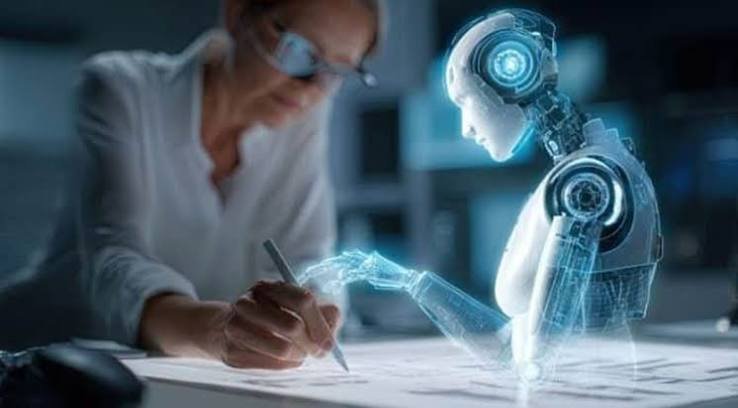
Creativity has always been one of the most fascinating parts of being human. From painting and music to storytelling, filmmaking, and design, people have found countless ways to turn ideas into something meaningful. Today, technology is adding a new dimension to that process through AI creativity.
Artificial intelligence is no longer limited to answering questions or analyzing information. Modern AI tools can help people create images, write stories, compose music, generate videos, develop designs, and explore ideas that may have been difficult to produce before. This does not necessarily mean that machines are replacing human creativity. Instead, AI is becoming another tool that people can use to experiment, learn, and bring their ideas to life.
What Is AI Creativity?
AI creativity refers to the use of artificial intelligence to support or generate creative work. It combines human ideas with computer systems that can recognize patterns, process information, and produce new content based on instructions.
For example, a person can describe an imaginary landscape and use an AI tool to create a visual representation of it. A writer can provide a topic and ask an AI system to suggest ideas for a story. A musician can experiment with AI-generated sounds or melodies.
The important part is that creativity does not have to begin and end with the machine. Human imagination, personal experiences, emotions, and judgment can still play a major role in the final result.
How Does AI Creativity Work?
AI creativity is powered by advanced machine learning models. These systems are trained using large amounts of information, allowing them to identify relationships and patterns within different types of content.
When a user provides a prompt, the AI analyzes the request and generates an output based on what it has learned. Depending on the technology, the output could be text, an image, audio, video, or another form of digital content.
For instance, an artist might enter a description of a futuristic city at sunset. An AI image generator can interpret the description and produce an image based on those instructions. The artist can then modify the prompt, adjust the concept, or use the generated image as inspiration for a larger project.
This process makes experimentation much faster. Instead of spending hours creating an initial concept from scratch, creators can explore several possibilities in a short amount of time.
AI Creativity in Writing
Writing is one of the areas where artificial intelligence has become especially useful. AI tools can help writers brainstorm topics, create outlines, improve wording, summarize information, and explore different writing styles.
A blogger, for example, may have an interesting subject but struggle to decide how to organize the article. AI can suggest possible headings and angles that help the writer develop the idea.
However, good writing still requires human involvement. Personal opinions, real experiences, originality, fact-checking, and emotional understanding are important elements that should not simply be handed over to a machine.
The best approach is often to use AI as a creative assistant rather than treating it as a complete replacement for the writer.
AI Creativity in Art and Design
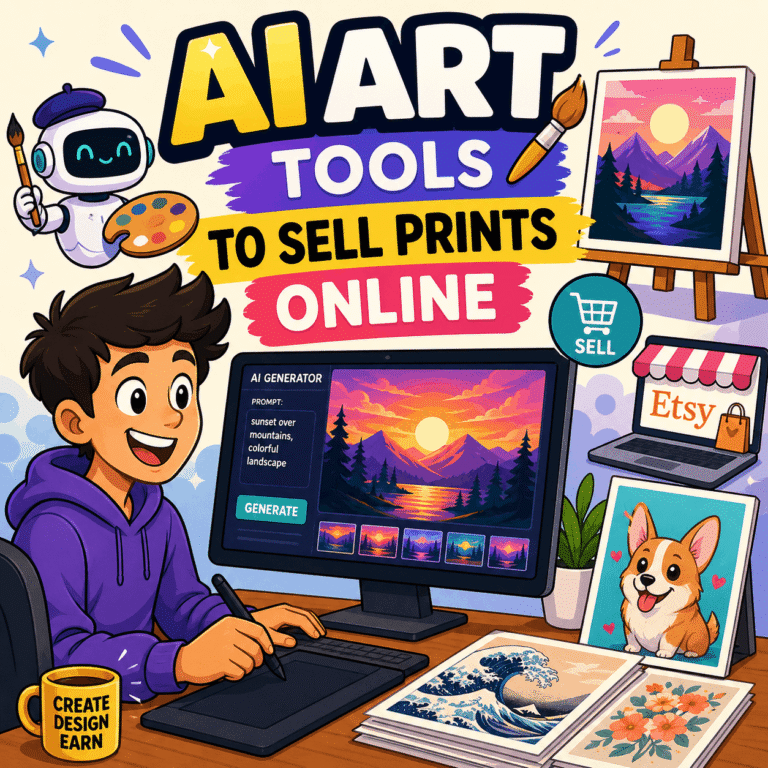
Visual artists and designers are also experimenting with artificial intelligence. AI-powered creative tools can generate illustrations, concepts, backgrounds, logos, and other visual elements.
For designers, one major advantage is speed. A designer working on a project can quickly produce several concept ideas before choosing a direction. This can make the early stages of a creative project more flexible.
AI can also help beginners experiment with art. Someone who has never used professional design software may be able to describe an idea in ordinary language and receive a visual starting point.
At the same time, human artistic judgment remains valuable. Choosing colors, understanding composition, developing a recognizable style, and deciding what communicates an idea effectively are skills that require more than simply generating an image.
AI Creativity in Music and Video
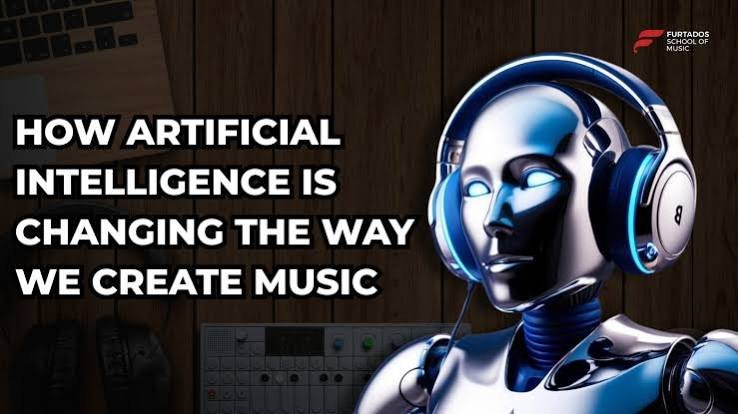
The influence of AI is also expanding into music and video production. Creative professionals can use AI to explore melodies, sound effects, scripts, storyboards, and video concepts.
For independent creators, these tools may reduce some of the technical barriers associated with producing digital media. A small team can experiment with ideas that might previously have required a larger budget.
Video creators can use AI to generate ideas for scenes, improve scripts, create visual concepts, or assist with editing tasks. Musicians can experiment with different sounds and arrangements.
These possibilities are particularly interesting because they allow creators to spend more time thinking about the message and experience they want to deliver.
Benefits of AI Creativity
One of the biggest benefits of AI creativity is accessibility. Creative technology that once required specialized knowledge can now be easier for ordinary users to explore.
Another advantage is speed. AI can produce multiple ideas quickly, which allows creators to compare possibilities instead of becoming stuck on their first concept.
AI can also encourage experimentation. A person may have an unusual idea but hesitate to pursue it because creating a prototype would take too much time. With AI, that person can test the concept quickly and decide whether it is worth developing further.
Other potential benefits include:
- Faster brainstorming and idea generation
- Assistance with repetitive creative tasks
- Easier experimentation with different styles
- Support for beginners and independent creators
- Faster development of early concepts
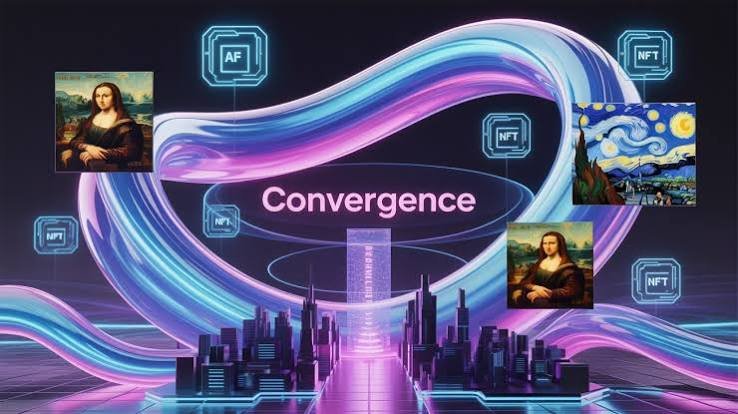
- New ways to combine different forms of media
These benefits make AI an increasingly interesting part of the modern creative process.
Is AI Replacing Human Creativity?
This is one of the biggest questions surrounding AI creativity. While artificial intelligence can generate impressive content, human creativity involves much more than producing something that looks or sounds interesting.
People create based on memories, emotions, culture, personal experiences, beliefs, relationships, and individual perspectives. These factors influence why a particular story matters or why a certain piece of art feels meaningful.
AI can help generate possibilities, but people still need to decide what those possibilities mean and how they should be used.
A useful way to think about the relationship is that AI can provide a creative workspace, while humans provide direction. The person decides what they want to communicate, evaluates the results, makes changes, and gives the project its purpose.
Challenges and Concerns
Despite its benefits, AI creativity also raises important concerns. Copyright, originality, misinformation, and the use of training data are topics that continue to receive significant attention.
There is also a risk of producing content that looks impressive but lacks originality or emotional depth. If creators depend too heavily on automated outputs, their own creative skills may not develop as strongly.
Another concern is accuracy. AI-generated content can sometimes contain incorrect information or create details that were never verified. For this reason, users should review important content before publishing or relying on it.
Responsible use is therefore essential. AI should be treated as a tool that requires human judgment rather than an unquestionable source of truth.
How to Use AI Creativity Responsibly
Getting the most value from AI requires a balanced approach. Start with your own idea instead of asking the technology to invent everything for you. Think about the message, audience, and purpose of your project before using an AI tool.
Use AI to explore alternatives, overcome creative blocks, or handle certain repetitive tasks. Then review and personalize the result.
Fact-check information when accuracy matters, and pay attention to copyright and ownership rules associated with the tools and content you use. It is also important to be transparent when disclosure is required by a platform, client, or organization.
Most importantly, continue developing your own creative skills. Learning how to write, design, edit, research, and communicate will make AI much more useful because you will be better equipped to judge its results.
The Future of AI Creativity
AI creativity is likely to become an even larger part of everyday digital work. As technology improves, creative tools may become more personalized, interactive, and capable of working across different media.
A creator might eventually be able to develop a complete project by combining text, images, music, animation, and video within a single creative workflow. This could make professional-level experimentation more accessible to individuals and small teams.
However, the future of creativity will probably not be about humans versus machines. It is more likely to be about how effectively humans can work with intelligent tools.
The creators who benefit most may be those who understand both sides: how to use AI efficiently and how to maintain their own creative voice.
Final Thoughts
AI creativity is changing the way people think about creating digital content. From writing and art to music, design, and video, artificial intelligence offers new opportunities to experiment and turn ideas into reality.
The technology can save time, encourage experimentation, and make creative tools more accessible. At the same time, it comes with challenges that require responsible use, human judgment, and careful review.
AI does not have to replace the creative person. Instead, it can become a powerful assistant that helps people explore more ideas and work more efficiently.
The most exciting possibility is not simply what AI can create on its own, but what humans can create when their imagination is supported by new technology. As AI continues to evolve, the relationship between human creativity and artificial intelligence may become one of the most important developments in the future of digital creation.
One Comment