
Content Creation: 10 Powerful Secrets to Creating Content That Attracts Readers
Content creation has become one of the most important parts of the digital world. Whether you are running a small business, building a personal brand, managing a website, or trying to grow on social media, quality content can help you reach the right audience. But content creation is not simply about writing blog posts or publishing pictures. It is the process of planning, producing, and sharing useful information that attracts people and gives them a reason to keep coming back.
In today’s competitive online environment, people are exposed to thousands of messages every day. This makes it more important than ever to create content that is useful, original, easy to understand, and relevant to your audience.
What Is Content Creation?
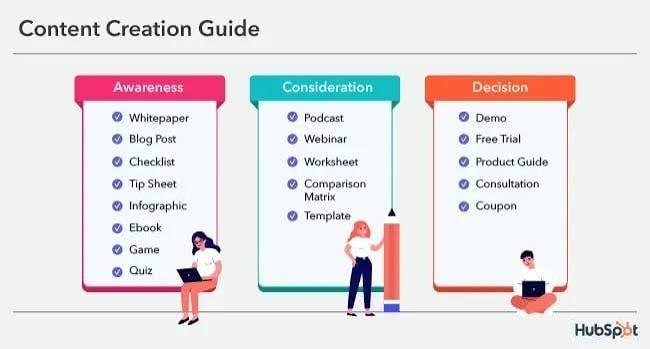
Content creation is the process of producing material for a specific audience and publishing it through digital or traditional channels. Content can take many forms, including blog articles, videos, social media posts, podcasts, newsletters, infographics, tutorials, photographs, and more.
The main purpose of content creation is to communicate an idea, answer a question, solve a problem, entertain an audience, or provide useful information. Successful creators do not focus only on producing a large amount of content. They focus on producing content that has a clear purpose.
For example, a cooking website may create recipes, cooking guides, ingredient comparisons, and kitchen tips. A technology website might publish tutorials, product explanations, software guides, and industry news. In both cases, the content is designed around the interests and needs of a particular audience.
Why Is Content Creation Important?
The internet has changed the way people discover businesses, products, services, and information. Before making a decision, many people search online, read articles, watch videos, compare options, and look for recommendations.
This is where useful content can make a difference.
High-quality content can help a website build trust with its visitors. When readers consistently find accurate and helpful information, they are more likely to return to the website. Over time, this can create a loyal audience.
Content can also improve online visibility. Search engines try to provide users with relevant and useful results. Publishing well-organized, original content can give a website more opportunities to appear when people search for related topics.
For businesses, content creation can also support marketing goals. Instead of constantly asking customers to buy something, a business can provide information that helps people understand their problems and possible solutions. This approach can create a more natural relationship between the brand and its audience.
Different Types of Content Creation
There is no single format that works for every audience. Different people prefer different ways of consuming information.
Blog Posts and Articles
Written content remains one of the most popular forms of online content. Articles can explain complicated subjects, answer common questions, provide tutorials, or share practical advice.
A good article should have a clear structure. Short paragraphs, meaningful headings, examples, and simple language can make a long article much easier to read.
Video Content
Videos are popular because they can communicate information visually and verbally at the same time. Tutorials, reviews, educational videos, interviews, and demonstrations are common examples.
A successful video does not necessarily require an expensive studio. Clear audio, useful information, good lighting, and a focused topic can be more valuable than expensive equipment.
Social Media Content
Social media gives creators an opportunity to communicate directly with their audience. Posts can include short tips, photographs, videos, questions, stories, and educational information.
The key is to create content that fits the platform and provides a reason for people to interact with it.
Podcasts
Podcasts are useful for people who enjoy learning while driving, exercising, working, or relaxing. Interviews, discussions, educational episodes, and storytelling are popular podcast formats.
The quality of the discussion and usefulness of the information are often more important than having complicated production.
Infographics and Visual Content
Some information is easier to understand visually. Charts, diagrams, illustrations, and infographics can turn complicated information into something easier to remember.
Visual content can also make an article more engaging when it supports the written information instead of distracting from it.
How to Create High-Quality Content
Creating valuable content starts before you write, record, or design anything. Planning is an important part of the process.
1. Understand Your Audience
The first step is knowing who you are creating content for. Think about your audience’s interests, questions, challenges, and level of knowledge.
If you understand your readers, you can choose topics and language that are more useful to them.
2. Choose a Clear Topic
A common mistake is trying to cover too many ideas in one piece of content. A focused topic makes it easier for the audience to understand what they will learn.
Instead of creating a general article about technology, for example, you could focus on a specific question such as how beginners can organize their digital files.
3. Research Before Creating
Good research helps you provide accurate and useful information. Look at reliable sources, check important facts, and understand the subject before presenting it to your audience.
Research should not mean copying another website. The goal is to develop your own explanation and add genuine value.
4. Create an Original Perspective
Originality is an important part of successful content creation. You can make content original by explaining an idea in your own words, sharing practical experiences, presenting examples, comparing different approaches, or providing a useful step-by-step process.
Simply rewriting information that already exists online usually does not provide much value to readers.
5. Make Content Easy to Read
Even excellent information can be difficult to enjoy if it is poorly organized.
Use descriptive headings, short paragraphs, lists when appropriate, and straightforward language. Avoid unnecessary repetition and complicated sentences.
A reader should be able to quickly scan your content and understand what the article is about.
Content Creation and Search Engines
Search engine optimization, commonly known as SEO, is closely connected with content creation. SEO helps search engines understand what a page is about and helps users discover relevant information.
However, creating content only for search engines can lead to poor results. The primary goal should always be helping the reader.
A useful article should answer the searcher’s question clearly. Keywords can help communicate the subject of a page, but they should be used naturally. Repeating a keyword excessively can make an article uncomfortable to read and may reduce its quality.
A better approach is to understand the topic thoroughly and naturally use relevant words and related concepts throughout the content.
How Consistency Helps Content Creators
Creating one excellent article is useful, but building an audience usually requires consistency.
Consistency does not necessarily mean publishing every day. A realistic schedule is more sustainable. For one creator, that might mean publishing one detailed article every week. For another, it might mean creating two videos each month and supporting them with shorter social media posts.
The important thing is to maintain quality while developing a routine.
Creating a content calendar can help. You can write down future topics, research dates, publishing plans, and content formats. This reduces the pressure of deciding what to create at the last minute.
Common Content Creation Mistakes
Many beginners make the mistake of focusing only on quantity. Publishing ten weak articles is not necessarily better than publishing two genuinely useful ones.
Another common problem is copying content from other websites. Original work is more valuable and helps establish credibility.
Some creators also make their content too promotional. People usually do not want every article to feel like an advertisement. Educational and helpful content can build trust more effectively.
Ignoring the audience is another mistake. A creator may be interested in a particular subject, but if the content does not address the needs of the intended audience, it may struggle to gain attention.
Finally, creators should avoid publishing information they have not checked. Accuracy matters, especially when readers may use the information to make important decisions.
How Content Creation Can Support a Website
For website owners, content creation can become a long-term asset. A useful article may continue attracting visitors months or even years after publication.
A website can create content around its main topic and organize related articles into clear categories. Internal links can help visitors discover additional information and spend more time exploring the site.
Website owners should also pay attention to readability, mobile usability, page speed, and a clean design. Good content works best when the overall website provides a positive experience.
If a website uses advertising, the ads should not overwhelm the actual content. Visitors should be able to read the article comfortably and navigate the website without unnecessary interruptions.
The Future of Content Creation
Content creation will continue to change as technology develops. Artificial intelligence, new social platforms, improved video tools, and changing search habits are already influencing how information is produced and consumed.
Despite these changes, the basic principles remain the same. People want information that is useful, trustworthy, understandable, and relevant.
Technology can make the creation process faster, but creators still need judgment. They must check facts, understand their audience, add meaningful value, and maintain a genuine voice.
Frequently Asked Questions About Content Creation
1. What is content creation?
Content creation is the process of producing useful and engaging material for a specific audience. It can include blog posts, articles, videos, social media posts, podcasts, images, infographics, tutorials, and newsletters.
2. Why is content creation important?
Content creation helps individuals and businesses attract an audience, build trust, increase online visibility, and communicate useful information. High-quality content can also support marketing and long-term website growth.
3. What are the most common types of content?
Common types include blog articles, videos, social media posts, podcasts, newsletters, infographics, photographs, tutorials, and educational guides. The best format depends on the audience and the purpose of the content.
4. How do I create high-quality content?
Start by understanding your audience and choosing a clear topic. Research the subject, provide accurate information, add your own perspective, organize the content with headings, and use simple language that is easy to understand.
5. How does content creation help with SEO?
Useful and well-organized content can help search engines understand a website and match its pages with relevant searches. Using keywords naturally, answering user questions, and providing original information can support a strong SEO strategy.
6. How often should I publish new content?
There is no single publishing schedule that works for everyone. It is usually better to follow a realistic and consistent schedule while maintaining quality. Publishing useful content regularly is more valuable than producing large amounts of low-quality material.
7. Can content creation help a small business?
Yes. Small businesses can use content to explain their products or services, answer customer questions, demonstrate expertise, and build trust. Helpful content can also bring potential customers to a website through search engines and social media.
8. What makes content successful?
Successful content is usually relevant, useful, original, accurate, easy to read, and created for a specific audience. Content that solves a real problem or answers an important question has a better chance of attracting and retaining readers.
Final Thoughts
Content creation is much more than publishing words, images, or videos online. It is a way of communicating with people and providing something valuable to them.
The most successful approach begins with understanding an audience, choosing useful topics, researching carefully, creating original material, and presenting information clearly. Consistency then helps turn individual pieces of content into a reliable resource.
Whether you are a beginner starting your first blog or an experienced creator managing a large website, the same principle applies: create content for people first. When your content genuinely answers questions, solves problems, teaches something useful, or helps readers make better decisions, it has a much stronger chance of earning attention and building long-term trust.
Quality content does not have to be complicated. It simply needs to be useful, honest, well-organized, and created with the reader in mind. That is the foundation of effective content creation.





One Comment