
7 Proven Ways Personalized Content Can Transform Digital Engagement
In today’s digital world, people are surrounded by content everywhere they look. From social media posts and emails to websites, videos, and online advertisements, users have more choices than ever before. Because of this, businesses face a major challenge: how can they create content that actually gets noticed? One of the most effective answers is personalized content.
Personalized content means creating and delivering information based on a person’s interests, preferences, behavior, location, or previous interactions. Instead of showing the same message to every visitor, businesses can make the experience more relevant to each individual. When done properly, personalization can help brands build stronger relationships, improve engagement, and encourage customers to take action.
What Is Personalized Content?
Personalized content is digital or written material designed to match the needs and interests of a specific audience or individual. It can appear in many forms, including website recommendations, personalized emails, product suggestions, social media content, and targeted advertising.
For example, an online store may recommend products based on items a customer has previously viewed. A streaming platform might suggest movies or shows according to a viewer’s watch history. Similarly, an email newsletter may display different offers depending on a subscriber’s interests.
The main idea is simple: the more relevant the content feels, the more likely people are to interact with it.
Why Personalized Content Matters
Generic content can still be useful, but it often fails to connect with people on a personal level. Visitors may quickly ignore information that does not seem relevant to them. Personalized content addresses this problem by focusing on what the audience is actually interested in.
When customers feel that a business understands their needs, they are more likely to spend time exploring its website, reading its messages, or considering its products and services. Personalization can also make a brand feel more helpful rather than simply promotional.
For businesses, this can lead to better engagement and a more meaningful customer experience. Instead of trying to communicate with everyone in exactly the same way, brands can create experiences that feel more natural and useful.
How Businesses Use Personalized Content
There are many ways companies can introduce personalization into their marketing strategies. One common method is personalized email marketing. Businesses can use customer preferences and previous interactions to send relevant recommendations, updates, or special offers.
Websites can also provide personalized experiences. A returning visitor might see content related to products they previously explored or topics they have shown interest in. E-commerce websites often use this approach to suggest related or complementary products.
Another example is personalized advertising. Advertisers can create different messages for different audience groups instead of relying on one advertisement for everyone. This can make advertising more relevant and reduce the chances of presenting completely unrelated offers.
Social media platforms also make extensive use of personalization. The content people see in their feeds is often influenced by their previous activity, such as the posts they view, like, share, or follow.
Benefits of Personalized Content
One of the biggest benefits of personalized content is improved user engagement. People are naturally more interested in information that matches their needs and preferences. Relevant content can encourage users to click, read, watch, or explore further.
Personalization can also improve the customer experience. When users do not have to search through large amounts of irrelevant information, finding something useful becomes easier. This convenience can create a more positive impression of a brand.
Another important advantage is stronger customer relationships. Personalization can show customers that a company values their individual interests instead of treating everyone as an anonymous visitor.
It may also support better marketing performance. When messages are more closely aligned with an audience’s needs, businesses have a better opportunity to encourage meaningful actions, such as signing up for a newsletter, requesting information, or making a purchase.
Personalized Content and Customer Trust
Although personalization offers many advantages, businesses need to use it responsibly. Customers may appreciate relevant recommendations, but they can become uncomfortable if personalization feels excessive or intrusive.
Transparency is therefore important. Businesses should be clear about how customer information is used and should respect privacy preferences. Personalization should make an experience more helpful, not make people feel as though they are being watched.
A good strategy is to focus on useful information rather than collecting unnecessary personal details. Businesses should also provide appropriate choices and respect applicable privacy requirements.
Creating Effective Personalized Content
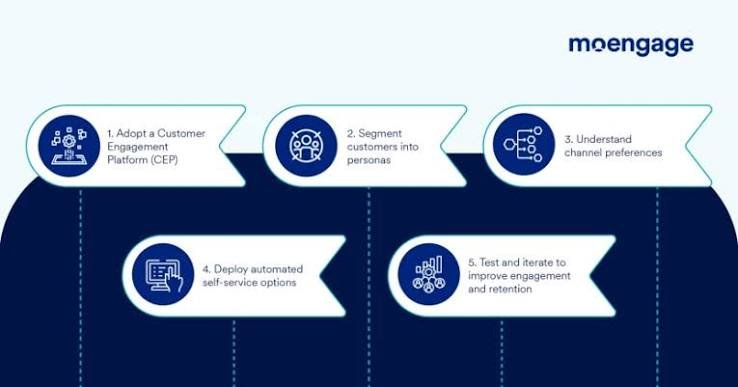
Successful personalization begins with understanding the audience. Businesses can study general customer interests, website behavior, purchase patterns, and feedback to identify what different groups need.
The next step is creating useful content for those needs. Personalization should go beyond simply adding someone’s name to an email. The actual message, recommendation, offer, or experience should provide genuine value.
Testing is another important part of the process. Businesses can compare different versions of personalized content to understand what performs better. Over time, these insights can help improve future campaigns.
It is also important to keep the content natural. Personalization should support the user experience rather than make every interaction feel automated or overly targeted.
The Future of Personalized Content
As technology continues to develop, personalized content is likely to become even more common. Artificial intelligence and advanced analytics can help businesses understand large amounts of information and identify patterns more efficiently.
However, technology alone does not guarantee effective personalization. Human understanding and creativity remain important. The best personalized experiences will combine useful data with clear communication, genuine value, and respect for customer privacy.
In the future, users may expect websites, apps, and brands to understand their preferences without making the experience complicated. Companies that can provide relevant information while maintaining trust may have a stronger opportunity to stand out in an increasingly crowded digital environment.
Frequently Asked Questions About Personalized Content
1. What is personalized content?
Personalized content is information created or displayed according to a user’s interests, preferences, behavior, or needs. It can include personalized emails, product recommendations, website experiences, and targeted marketing messages.
2. Why is personalized content important?
Personalized content helps businesses provide more relevant experiences to their audiences. When people see information that matches their interests, they are more likely to engage with the content and interact with the brand.
3. What are some examples of personalized content?
Common examples include recommended products on online stores, customized email campaigns, personalized website messages, targeted advertisements, and content suggestions based on previous user activity.
4. How does personalized content improve customer experience?
It makes it easier for users to find information, products, or services that are relevant to them. Instead of seeing the same content as everyone else, customers receive a more useful and convenient experience.
5. Can personalized content increase engagement?
Yes. Relevant content can encourage people to spend more time on a website, open emails, click on recommendations, watch videos, or explore products and services.
6. Is personalized content useful for small businesses?
Yes. Small businesses can use simple personalization strategies, such as segmenting email subscribers, recommending relevant products, or creating content for specific customer groups. Personalization does not always require complex technology.
7. Does personalized content affect user privacy?
It can, because personalization may rely on information about user behavior and preferences. Businesses should handle customer data responsibly, explain how information is used, and respect applicable privacy requirements.
8. What makes personalized content effective?
Effective personalized content should be relevant, useful, natural, and respectful of privacy. The goal should be to provide genuine value rather than make customers feel overly targeted or monitored.
Final Thoughts
Personalized content has changed the way businesses communicate with their audiences. By delivering information that is more relevant to individual interests and needs, brands can create better digital experiences and encourage stronger engagement.
The key to successful personalization is balance. Businesses should use customer insights to provide genuine value while remaining transparent and respectful of privacy. When personalization feels helpful instead of intrusive, it can benefit both the customer and the business.
As online competition continues to grow, simply creating more content is not enough. Creating the right content for the right person at the right time can make a much greater difference. That is why personalized content is becoming an increasingly important part of modern digital marketing.


One Comment