
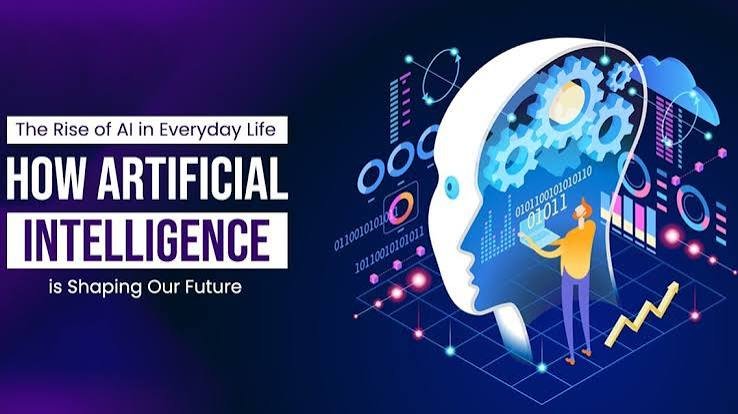
10 Amazing AI Trends: How Artificial Intelligence Is Changing Everyday Life
Artificial intelligence has moved from being a futuristic idea to becoming a practical part of everyday life. From the apps people use on their phones to the tools businesses rely on for customer service, marketing, research, and automation, AI is changing how work gets done. As technology continues to develop, new AI trends are emerging that could influence industries, jobs, education, and daily routines for years to come.
Understanding these trends is important for anyone who wants to stay informed about the digital world. AI is no longer limited to large technology companies. Small businesses, students, creators, healthcare organizations, and ordinary consumers are finding new ways to use intelligent software.
The Growth of Generative AI
One of the biggest AI trends is the continued growth of generative AI. Unlike traditional software that follows fixed instructions, generative AI can create new content based on a user’s request. It can produce written content, images, computer code, audio, presentations, and other forms of digital material.
Businesses are using these tools to brainstorm ideas, summarize information, create marketing materials, and improve productivity. Individuals are also using generative AI for learning, writing, planning, and creative projects.
The technology is becoming easier to use, which means people without technical backgrounds can benefit from it. As models become more capable, the focus is shifting from simply generating content to helping users complete entire tasks.
AI Agents and Automated Work
Another major development is the rise of AI agents. These systems are designed to do more than answer questions. An AI agent can potentially plan a task, use digital tools, gather information, and complete multiple steps with limited human intervention.
For example, an AI agent could help organize information, manage repetitive business processes, prepare reports, or assist with customer requests. This could make automation much more flexible than traditional software.
The important change is that AI may increasingly move from being a tool people operate to becoming an assistant that can actively carry out parts of a workflow.
AI in Business
Companies across many industries are investing in artificial intelligence because of its potential to improve efficiency. Customer support is one example. AI-powered systems can answer common questions, classify requests, and help employees find information faster.
Marketing is another area where AI is becoming popular. Businesses can use AI to analyze customer behavior, generate ideas, personalize communications, and identify patterns in large amounts of data.
However, successful companies are learning that AI should support human workers rather than blindly replace them. Human judgment remains important for decisions involving creativity, ethics, relationships, and complex situations.
Personalized AI Experiences
AI is also becoming more personalized. Instead of providing exactly the same experience to every user, intelligent systems can adapt to individual preferences, goals, and previous interactions.
Personalization could influence education, shopping, entertainment, productivity software, and digital assistants. A learning platform, for example, may identify areas where a student is struggling and adjust explanations accordingly.
As personalization improves, users may expect technology to understand context rather than simply respond to individual commands.
AI in Healthcare and Scientific Research
Artificial intelligence is becoming increasingly useful in healthcare and scientific research. Researchers are exploring AI for analyzing large datasets, identifying patterns, supporting medical research, and speeding up scientific discovery.
AI can process information at a scale that would be difficult for humans to handle manually. This does not mean machines can replace doctors or researchers. Instead, AI can provide additional tools that help professionals make better-informed decisions.
The healthcare industry also highlights why responsible AI development matters. Systems used in sensitive areas need careful testing, strong privacy protections, and meaningful human oversight.
AI and the Future of Work
The impact of AI on employment is one of the most discussed AI trends. Some repetitive tasks are likely to become increasingly automated, while new roles may develop around AI management, data analysis, cybersecurity, model evaluation, and AI governance.
Rather than viewing AI only as a threat to jobs, many experts consider it a technology that can change the nature of work. Employees who learn how to use AI effectively may be able to complete certain tasks faster and focus more attention on complex responsibilities.
This makes digital skills increasingly valuable. Knowing how to work with AI, evaluate its answers, and recognize its limitations may become an important workplace skill.
The Importance of Responsible AI
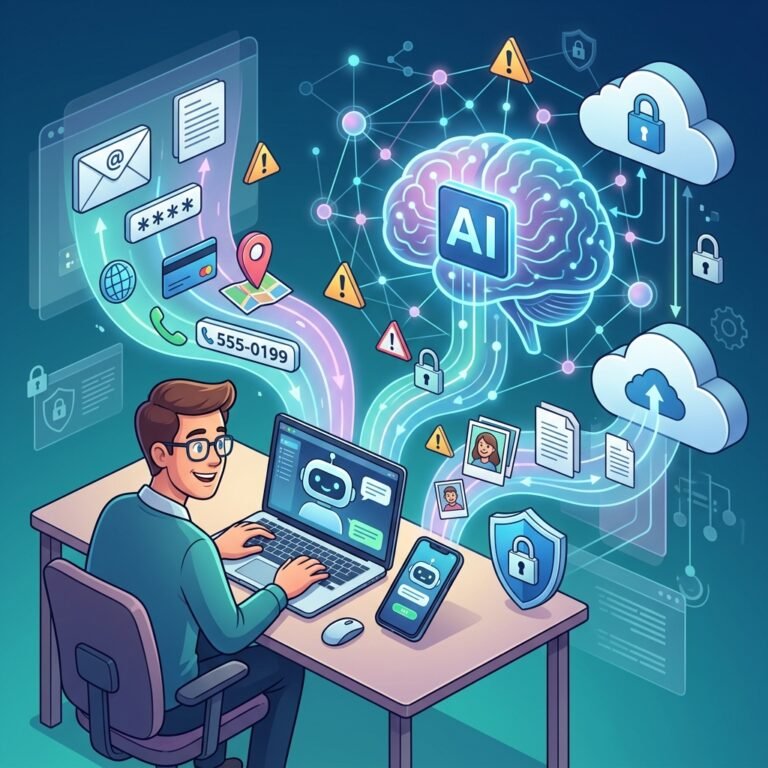
As AI becomes more powerful, responsible development is becoming increasingly important. AI systems can produce inaccurate information, reflect biases in their training data, or create privacy and security concerns.
Organizations therefore need clear policies for how AI is developed and used. Transparency, human oversight, data protection, and regular testing can help reduce potential risks.
Users also have a role to play. AI-generated information should not automatically be treated as correct. Important claims should be checked against reliable sources, especially when decisions could have serious consequences.
Smaller and More Efficient AI Models
Another interesting trend is the development of smaller and more efficient AI models. Powerful AI does not always need to operate through massive cloud systems. Smaller models can sometimes run directly on computers, smartphones, and other devices.
This approach can provide benefits such as faster responses, improved privacy, and reduced dependence on internet connectivity. As hardware and software improve, more AI capabilities may become available directly on consumer devices.
What Comes Next?
The future of artificial intelligence is likely to involve a combination of automation, personalization, multimodal technology, and human collaboration. AI systems are becoming better at understanding text, images, audio, video, and other types of information.
The most important question may not be whether AI will become part of everyday life—it already is. The bigger question is how people and organizations choose to use it.
Those who understand both the possibilities and limitations of AI will be better prepared for the changes ahead. Businesses can use it to improve productivity, professionals can use it to enhance their skills, and individuals can use it as a learning and creative assistant.
Frequently Asked Questions About AI Trends
1. What are AI trends?
AI trends are the latest developments and changes in artificial intelligence technology. They include generative AI, AI agents, automation, personalized AI, smaller AI models, and the growing use of AI across different industries.
2. What is the biggest AI trend right now?
Generative AI is one of the most significant AI trends. It can create text, images, code, audio, and other content based on user instructions and is increasingly being used by businesses and individuals.
3. How is AI changing the workplace?
AI is automating repetitive tasks, helping employees analyze information, improving customer service, and supporting content creation. At the same time, it is creating demand for new skills related to AI, data, automation, and technology management.
4. What are AI agents?
AI agents are systems designed to perform multiple steps toward a goal rather than simply answering a single question. Depending on their capabilities, they can plan tasks, use digital tools, process information, and complete parts of a workflow.
5. How is AI being used in healthcare?
AI is being explored for medical research, data analysis, pattern recognition, administrative tasks, and other applications. Healthcare AI generally requires careful testing, privacy protections, and human oversight.
6. Will AI replace human jobs?
AI may automate some repetitive tasks, but it is also likely to change existing jobs and create new opportunities. Human creativity, judgment, communication, and decision-making will remain valuable, particularly for complex tasks.
7. Is AI always accurate?
No. AI systems can produce incorrect, incomplete, or misleading information. Important information should be verified using reliable sources, especially when it relates to financial, legal, medical, or other high-impact decisions.
8. What is the future of AI?
The future of AI is expected to involve greater automation, personalization, multimodal capabilities, and collaboration between humans and intelligent systems. As the technology develops, responsible use, privacy, security, and human oversight will remain important.
Conclusion
The latest AI trends show that artificial intelligence is entering a new stage of development. Generative AI, AI agents, personalized experiences, business automation, scientific research, and smaller intelligent models are all shaping the future of technology.
At the same time, responsible use will be just as important as technical progress. AI can offer significant benefits, but it works best when combined with human judgment, creativity, and accountability.
For individuals and businesses alike, the smartest approach is to learn, experiment carefully, verify important information, and understand what AI can—and cannot—do. The future of AI is still being built, and the people who adapt to these changes will have an opportunity to make the most of it.


One Comment