Digital Creativity: 10 Amazing Ways Innovation and Imagination Are Changing the Future
In today’s rapidly changing digital world, creativity is no longer limited to traditional art, writing, or design. The rise of technology has introduced a new era known as Digital Creativity, where imagination meets digital tools to create powerful ideas, experiences, and solutions. From graphic design and artificial intelligence to video production, digital marketing, and virtual experiences, digital creativity has become an essential skill for individuals, businesses, and creators.
Digital creativity represents the ability to use modern technology to express ideas, solve problems, and communicate with audiences in innovative ways. It combines creative thinking with digital knowledge, allowing people to produce content that is engaging, interactive, and meaningful. As technology continues to evolve, digital creativity is becoming one of the most valuable abilities in the modern world.
What Is Digital Creativity?
Digital creativity refers to the process of creating original ideas, content, and experiences using digital platforms and technologies. It includes activities such as creating websites, designing digital artwork, producing videos, developing mobile applications, creating animations, and using artificial intelligence tools for creative projects.
Unlike traditional creativity, digital creativity provides unlimited possibilities. A designer can create artwork without physical materials, a writer can use digital platforms to reach millions of readers, and a filmmaker can produce professional-quality videos with affordable tools. Technology has removed many barriers and allowed more people to participate in creative industries.
At its core, digital creativity is about combining imagination with technology. It is not only about knowing how to use software or devices but also about understanding how to communicate ideas effectively in a digital environment.
The Importance of Digital Creativity in Modern Life
The importance of digital creativity has increased significantly because people now spend a large part of their lives online. Businesses, educational institutions, and individuals rely on digital platforms to share information, promote ideas, and connect with others.
For businesses, digital creativity helps create stronger brand identities and better customer experiences. Companies use creative websites, social media campaigns, digital advertisements, and interactive content to attract and engage customers. A creative digital presence can help a business stand out in a competitive market.
For individuals, digital creativity opens new opportunities. Freelancers, artists, content creators, and entrepreneurs can use digital platforms to showcase their skills and build successful careers. Many people are now earning income through digital design, online courses, video content, and creative services.
Education has also benefited from digital creativity. Teachers and students use interactive presentations, online learning platforms, animations, and digital resources to make learning more interesting and effective. Creative digital tools can transform traditional education into an engaging experience.
The Role of Technology in Digital Creativity
Technology plays a major role in expanding creative possibilities. Modern tools allow creators to experiment, improve their work, and produce high-quality results faster than ever before.
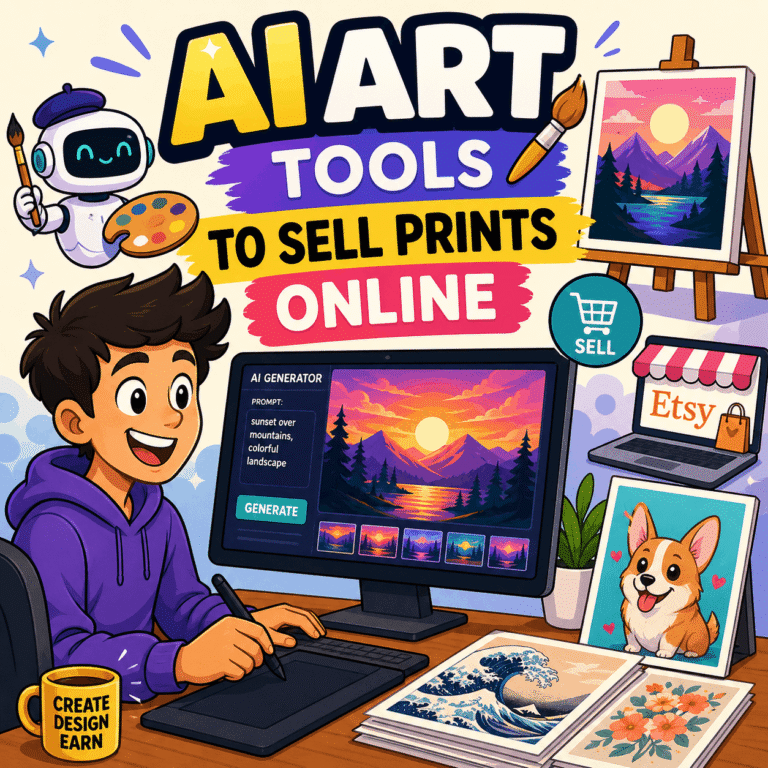
Artificial intelligence is one of the most influential technologies in the creative world. AI-powered tools can help generate ideas, improve designs, edit content, and automate repetitive tasks. Instead of replacing human creativity, these tools can support creators by providing new ways to explore their imagination.
Graphic design software has also transformed the creative industry. Designers can create professional logos, illustrations, advertisements, and digital artwork using advanced programs. Video editing tools allow creators to produce engaging videos for entertainment, education, and marketing purposes.
Virtual reality and augmented reality are introducing new forms of digital experiences. These technologies allow users to interact with digital environments in completely different ways. From virtual museums to immersive games, digital creativity continues to expand beyond traditional boundaries.
Digital Creativity and Content Creation
Content creation is one of the most visible areas where digital creativity plays an important role. Millions of creators around the world produce blogs, videos, podcasts, social media posts, and digital artwork every day.
Successful content creation requires more than just technical skills. Creators need imagination, storytelling ability, and an understanding of their audience. Digital creativity helps creators develop unique ideas that capture attention in a crowded online environment.
Social media platforms have increased the demand for creative content. Brands and individuals compete for attention, making originality more important than ever. Creative videos, attractive visuals, and engaging stories can help content reach a wider audience.
Digital creativity also allows creators to experiment with different formats. A single idea can be transformed into a blog post, video, infographic, podcast, or interactive experience. This flexibility gives creators more opportunities to connect with people.
Skills Needed for Digital Creativity
Developing digital creativity requires a combination of creative and technical skills. While technology is important, creative thinking remains the foundation of every successful digital project.
One important skill is problem-solving. Creative individuals need to find unique solutions and approach challenges from different perspectives. Digital creativity is often about discovering new ways to use technology to improve experiences.
Communication skills are also essential. Whether creating a website, video, or marketing campaign, creators must understand how to present ideas clearly. Good digital content should connect emotionally with its audience.
Technical knowledge is another valuable skill. Understanding design software, digital platforms, coding basics, or multimedia tools can help creators bring their ideas to life. However, technology should be viewed as a tool that supports creativity rather than something that limits imagination.
Adaptability is equally important because digital technology changes quickly. Successful creators continue learning new tools, trends, and techniques to stay competitive in the digital world.
Digital Creativity in Business and Marketing
Businesses are using digital creativity to build stronger relationships with customers. Traditional marketing methods are no longer enough in a world where consumers interact with brands online every day.
Creative digital marketing campaigns can increase brand awareness and customer engagement. Companies use storytelling, social media content, animations, and personalized experiences to create stronger connections with their audiences.
Website design is another area where digital creativity matters. A visually appealing and user-friendly website can influence how customers view a brand. Creative layouts, interactive features, and engaging content can improve the overall user experience.
Digital creativity also supports innovation. Companies that encourage creative thinking are more likely to develop new products, improve services, and adapt to changing customer needs.
The Future of Digital Creativity
The future of digital creativity is full of possibilities. As technology continues to advance, creators will have access to more powerful tools and platforms. Artificial intelligence, immersive technologies, and advanced digital systems will continue to influence how people create and share ideas.
However, human imagination will remain the most important element. Technology can provide tools, but creativity comes from human emotions, experiences, and perspectives. The combination of human creativity and digital innovation will continue to shape the future.
In the coming years, digital creativity will become even more important in industries such as entertainment, education, healthcare, business, and communication. People who develop creative digital skills will have more opportunities to succeed in a technology-driven world.
How to Improve Digital Creativity
Anyone can improve their digital creativity with practice and continuous learning. Exploring new tools, studying creative work, and experimenting with different ideas can help develop creative abilities.
One effective approach is to stay curious. Learning about new technologies and trends can inspire fresh ideas. Creators should not be afraid to test different methods and make mistakes because experimentation is a major part of the creative process.
Collaboration is another powerful way to improve creativity. Working with people from different backgrounds can introduce new perspectives and lead to better ideas. Digital platforms make collaboration easier by allowing people to connect globally.
Creating regularly is also important. Like any skill, creativity improves with consistent practice. Whether it is designing, writing, editing, or developing digital projects, regular creative work helps build confidence and experience.
Frequently Asked Questions About Digital Creativity
1. What is Digital Creativity?
Digital creativity is the process of using digital tools, technology, and creative thinking to produce original ideas, designs, content, and experiences. It includes activities such as digital art, website design, video creation, animation, online marketing, and creative use of modern technologies.
2. Why is Digital Creativity important today?
Digital creativity is important because technology has become a major part of everyday life. Businesses, educators, and individuals use creative digital solutions to communicate, solve problems, attract audiences, and create better online experiences.
3. What are some examples of Digital Creativity?
Examples of digital creativity include creating digital artwork, designing websites, producing videos, developing mobile apps, creating social media content, designing advertisements, making animations, and using artificial intelligence for creative projects.
4. How does technology help improve Digital Creativity?
Technology provides powerful tools that help creators develop and improve their ideas. Digital software, artificial intelligence, virtual reality, and other modern technologies make it easier to design, experiment, and create high-quality digital content.
5. What skills are needed for Digital Creativity?
Important skills for digital creativity include creative thinking, problem-solving, communication, digital design knowledge, adaptability, and basic understanding of digital tools. A combination of imagination and technical skills helps create successful digital projects.
6. Can Digital Creativity help in business growth?
Yes, digital creativity can help businesses grow by improving branding, marketing campaigns, customer engagement, and online presence. Creative digital content helps companies attract more customers and build stronger relationships with their audience.
7. How can someone develop Digital Creativity skills?
People can improve their digital creativity by learning new digital tools, practicing creative projects, following industry trends, experimenting with different ideas, and collaborating with other creators. Regular practice helps develop stronger creative abilities.
8. What is the future of Digital Creativity?
The future of digital creativity is expected to grow with advancements in artificial intelligence, virtual reality, and other emerging technologies. Human creativity combined with digital innovation will continue to create new opportunities in many industries.
Conclusion
Digital creativity has become a powerful force that connects imagination with technology. It allows people to express ideas, create meaningful experiences, and solve problems in innovative ways. From businesses and education to entertainment and personal growth, digital creativity influences almost every area of modern life.
As technology continues to develop, the opportunities for creative expression will continue to expand. The future belongs to those who can combine creative thinking with digital skills. By embracing digital creativity, individuals and organizations can discover new possibilities and create valuable contributions in an increasingly digital world.