
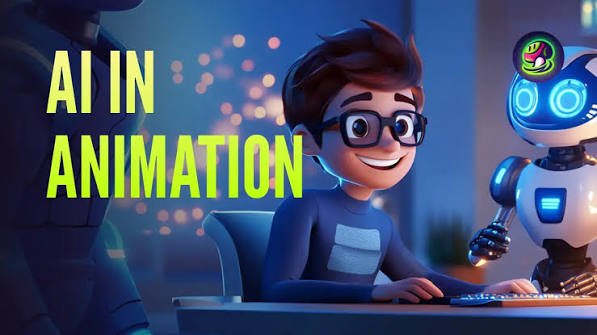
7 Powerful Ways AI Animation Is Transforming Creative Storytelling and Digital Content
Artificial intelligence is changing the way people create, work, and communicate online. One of the most exciting developments in this field is AI Animation. What once required expensive software, advanced technical skills, and hours of manual work can now be achieved with the help of intelligent AI-powered tools.
AI animation allows creators to turn ideas, written descriptions, images, and even simple sketches into engaging animated content. From short social media videos to educational explainers and marketing campaigns, this technology is making animation more accessible to beginners and professionals alike.
What Is AI Animation?
AI animation refers to the use of artificial intelligence to create, enhance, or automate animated content. Traditional animation often requires artists to create individual frames, design characters, build backgrounds, add movements, and edit everything together. This process can take days or even months.
AI-powered animation tools simplify many of these tasks. A creator can provide a text prompt, image, or basic concept, and the software can generate movement, characters, scenes, transitions, or other visual elements.
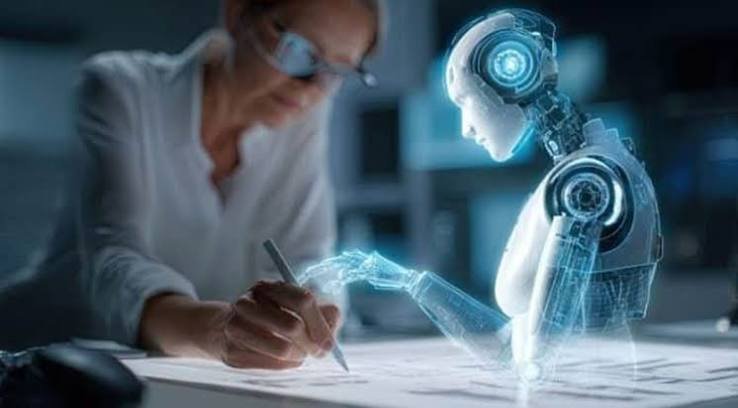
The technology does not necessarily replace human creativity. Instead, it can work as a creative assistant that handles repetitive tasks while allowing people to focus on storytelling, design, and ideas.
How Does AI Animation Work?
AI animation systems generally rely on machine learning models that have been trained to understand visual patterns, movement, language, and images. Depending on the tool, users may start with a written prompt such as a description of a character walking through a futuristic city.
The AI analyzes the request and generates visual content based on the instructions. Some platforms can also animate a still image, synchronize characters with audio, create facial expressions, or produce video sequences from text.
Modern AI systems can understand relationships between objects and movement, making it possible to create animations without manually controlling every frame. This can significantly reduce the time needed for certain projects.
Benefits of AI Animation
One of the biggest advantages of AI animation is speed. Traditional animation can involve many stages, from storyboarding and character design to rendering and post-production. AI can automate parts of this workflow, allowing creators to experiment with ideas much faster.
Another benefit is accessibility. Beginners who have never used professional animation software can explore creative concepts using simpler AI-based interfaces. This opens the door for students, small businesses, bloggers, teachers, and independent creators.
AI animation can also reduce production costs. Businesses that cannot afford a large animation team may use AI tools for basic promotional videos, presentations, product demonstrations, and social media content.
Most importantly, AI makes experimentation easier. Creators can test different visual styles, characters, backgrounds, and concepts without starting every project from scratch.
AI Animation for Businesses
Businesses are increasingly using animated content to capture attention. A well-designed animation can explain a complicated product or service more clearly than a long block of text.
For example, a technology company could use AI animation to demonstrate how its application works. An online store might create short product videos, while an educational company could produce animated lessons.
Social media is another important area. Short-form videos are popular across many platforms, and AI animation can help marketers produce fresh visual content more efficiently.
However, businesses should still focus on originality and quality. Simply generating large amounts of AI content does not guarantee engagement. A strong message, useful information, and an understanding of the target audience remain essential.
AI Animation in Education
Education is another field where AI animation can make a significant difference. Complex concepts are sometimes difficult to understand through text alone. Animation can transform abstract ideas into visual explanations.
Teachers can use animated scenes to explain science, history, mathematics, technology, or language concepts. Students can also use AI tools to create presentations and visual projects.
When used properly, animation can make lessons more interactive and memorable. The key is to use visuals to support learning rather than allowing impressive graphics to distract from the actual subject.
Challenges of AI Animation
Despite its advantages, AI animation is not perfect. Generated content can sometimes contain visual inconsistencies, unnatural movements, or details that do not match the creator’s instructions.
Consistency can be particularly challenging when the same character needs to appear across multiple scenes. Facial expressions, clothing, proportions, and backgrounds may change unexpectedly.
There are also important questions surrounding copyright, ownership, originality, and responsible use of AI-generated content. Creators should understand the terms of the tools they use and make sure their projects respect applicable laws and the rights of other people.
Human review is therefore still important. AI can accelerate the creative process, but creators need to check the final result before publishing it.
The Future of AI Animation
The future of AI animation looks promising. As AI models become more capable, animation tools are likely to provide better motion, improved character consistency, more realistic scenes, and greater creative control.
We may also see AI animation become a normal part of everyday creative workflows. Instead of spending hours learning complicated technical processes, creators may be able to describe what they want and then refine the result through simple instructions.
This does not mean human artists will become irrelevant. Creativity, emotion, cultural understanding, storytelling, and artistic judgment are difficult to automate completely. The strongest results will likely come from combining human imagination with AI-assisted production.
Frequently Asked Questions About AI Animation
1. What is AI Animation?
AI Animation is the use of artificial intelligence to create, enhance, or automate animated content. It can generate movement, characters, scenes, and visual effects from text prompts, images, or other inputs.
2. How does AI Animation work?
AI Animation tools use machine learning models to understand text, images, and movement. Users provide instructions or visual material, and the AI generates or modifies animation based on those instructions.
3. Can beginners use AI Animation tools?
Yes. Many AI animation tools are designed with simple interfaces, making them accessible to beginners. Users can create basic animations without having extensive knowledge of traditional animation software.
4. What can AI Animation be used for?
AI Animation can be used for social media videos, educational content, marketing campaigns, product demonstrations, presentations, storytelling, advertisements, and entertainment.
5. Does AI Animation replace human animators?
Not completely. AI can automate repetitive tasks and speed up production, but human creativity, storytelling, artistic judgment, and editing remain important for producing high-quality animation.
6. What are the main benefits of AI Animation?
The main benefits include faster production, lower costs, easier experimentation, greater accessibility, and the ability to create visual content without manually designing every animation frame.
7. What are the challenges of AI Animation?
Common challenges include inconsistent characters, unnatural movements, limited creative control, and questions about copyright and ownership. Human review is often necessary before publishing AI-generated animations.
8. What is the future of AI Animation?
The future of AI Animation is expected to include more realistic movement, better character consistency, improved creative control, and easier production workflows. AI is likely to become an increasingly common tool for professional and independent creators.
Final Thoughts
AI Animation is changing the creative industry by making animation faster, more accessible, and easier to experiment with. It can help businesses create marketing material, educators build visual lessons, and individual creators turn imaginative ideas into moving content.
At the same time, successful animation still depends on more than technology. A compelling story, clear purpose, original ideas, and thoughtful editing are what make content meaningful.
As the technology continues to develop, AI animation will likely become an increasingly valuable tool for creators around the world. The people who learn how to combine AI capabilities with genuine human creativity may have the greatest opportunity to produce engaging and memorable digital experiences.
One Comment