
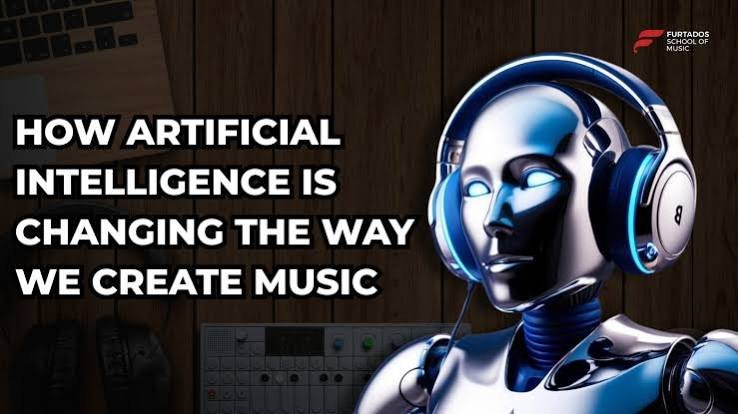
7 Powerful Ways AI Music Is Changing How We Create and Enjoy Music
Music has always evolved alongside technology. From vinyl records and cassette tapes to digital streaming platforms, every generation has experienced new ways of creating, recording, sharing, and listening to music. Today, another major change is taking place through AI music. Artificial intelligence is becoming an important part of the modern music industry, helping artists, producers, content creators, and listeners explore new creative possibilities.
AI music refers to music created, assisted, or enhanced with artificial intelligence technologies. These systems can analyze musical patterns, generate melodies, create rhythms, suggest harmonies, and even produce complete songs from simple instructions. While AI cannot replace the human emotions and experiences behind great music, it can provide powerful tools that make the creative process faster and more accessible.
What Is AI Music?
AI music is the use of artificial intelligence and machine learning to create or support musical production. AI systems can be trained using large collections of musical information, allowing them to recognize patterns in instruments, melodies, rhythms, genres, and song structures.
For example, a user might provide a simple prompt describing a relaxing piano track, an energetic electronic beat, or cinematic background music. Depending on the technology being used, an AI system can generate music based on those instructions.
AI can also work as a creative assistant rather than producing an entire song. Musicians may use it to experiment with chord progressions, generate ideas for melodies, improve audio quality, or create background arrangements.
How Does AI Music Work?
Behind AI music are complex machine-learning models. These models learn from musical patterns and relationships found in training data. Instead of simply copying one specific song, a well-designed system learns characteristics such as tempo, structure, instrumentation, and musical style.
When a person gives an AI music tool a prompt, the system processes the instructions and generates an output based on what it has learned. Some platforms focus on instrumental music, while others can generate vocals, lyrics, sound effects, or complete musical arrangements.
The technology is developing quickly, which means the quality and capabilities of AI-generated music are improving. However, the results can still vary considerably depending on the tool, prompt, and type of music requested.
Why Is AI Music Becoming Popular?
One major reason for the growing popularity of AI music is accessibility. Traditionally, creating professional-sounding music could require expensive equipment, specialized software, musical knowledge, and years of practice. AI tools can lower some of these barriers.
A beginner can experiment with musical ideas without knowing how to play multiple instruments. A video creator can generate background music for a project. A small business can explore original audio for marketing content. Professional musicians can use AI to brainstorm ideas during the early stages of production.
Another advantage is speed. Producing music manually can take hours or even days. AI can generate ideas within minutes, giving creators more options to consider.
AI Music for Artists and Producers
Professional musicians and producers are among the people who can benefit from AI-assisted music technology. Instead of treating AI as a replacement for creativity, many creators can use it as an additional instrument.
For example, a producer experiencing creative block might use AI to generate unusual chord combinations or rhythmic ideas. An artist could experiment with different arrangements before deciding which direction fits a song.
AI can also assist with repetitive production tasks. Audio editing, noise reduction, mastering assistance, and other technical processes can sometimes be improved with intelligent software. This allows creators to spend more time focusing on artistic decisions.
The most interesting results often happen when human creativity and AI tools work together. A person provides the emotion, story, taste, and direction, while AI helps explore possibilities.
AI Music and Content Creators
The rise of short-form videos, podcasts, online courses, games, and social media has created a huge demand for background music. Content creators frequently need audio that matches a particular mood without spending a large amount of time producing it.
AI music can help creators explore tracks for different situations, such as travel videos, educational content, promotional videos, documentaries, or podcasts.
However, creators should always check the licensing terms of an AI music platform before using generated tracks commercially. Not every AI-generated song automatically has the same usage rights, and terms can differ between services.
Benefits of AI Music
There are several reasons people are interested in this technology.
First, AI music can save time. Creators can quickly generate musical concepts instead of starting every project from an empty timeline.
Second, it can encourage experimentation. A person may discover musical styles or combinations they would not normally consider.
Third, AI can make music creation more accessible. People without advanced musical training can experiment with sound and composition.
Fourth, AI can support productivity. Professional producers can use intelligent tools for certain technical tasks while concentrating on the creative aspects of a project.
Finally, AI music can be useful for personalized experiences. In the future, music could potentially adapt more closely to an individual’s activity, mood, environment, or preferences.
Challenges and Ethical Questions
Despite its potential, AI music also creates important questions. One of the biggest concerns involves copyright and training data. AI systems may learn from enormous collections of existing creative works, leading to debates about how those works should be used and whether creators should receive compensation.
Another concern is artistic identity. If AI can generate music in recognizable styles, questions arise about originality, ownership, and the difference between inspiration and imitation.
There is also concern about employment. Some people worry that AI could reduce opportunities for musicians, composers, session players, and other professionals. Others believe AI will mainly change their work rather than eliminate it.
These issues do not have simple answers. Laws, industry standards, and public expectations are still developing. As AI music becomes more common, transparency and responsible use will become increasingly important.
Will AI Replace Human Musicians?
It is unlikely that AI will completely replace human musicians because music is more than sound. Songs often communicate personal experiences, cultural identity, emotions, memories, and stories.
A human artist can decide what a song means and why it should exist. They can connect a musical idea to a personal experience in a way that technology does not necessarily understand in the same human sense.
Instead of viewing AI and musicians as direct competitors, it may be more useful to see AI as a new creative tool. Just as synthesizers, drum machines, digital audio workstations, and sampling changed music production, AI may become another part of the creative toolbox.
The Future of AI Music
The future of AI music is likely to involve greater collaboration between people and intelligent systems. AI tools may become better at understanding detailed creative instructions, musical context, emotion, and production requirements.
We may also see more personalized music experiences. Streaming services and other platforms could potentially use AI to help create dynamic music that changes according to a listener’s preferences or situation.
At the same time, human creativity will remain important. The creators who understand how to direct AI effectively may have an advantage because successful music still depends on taste, storytelling, originality, and emotional connection.
Frequently Asked Questions About AI Music
1. What is AI music?
AI music is music created or assisted by artificial intelligence. AI tools can generate melodies, rhythms, instrumentals, lyrics, vocals, and complete musical compositions based on user instructions.
2. How does AI music work?
AI music systems are trained to recognize patterns in musical data. When a user provides a prompt or musical direction, the system uses those learned patterns to generate or modify music according to the requested style, mood, or structure.
3. Can beginners create music with AI?
Yes. One of the main advantages of AI music is its accessibility. Beginners can create musical ideas without having advanced knowledge of instruments, music theory, or professional production software.
4. Can AI music be used for YouTube videos?
AI-generated music can be used for YouTube videos, but users should check the specific platform’s licensing and commercial-use rules. Different AI music services may provide different rights for free and paid users.
5. Can AI replace human musicians?
AI is unlikely to completely replace human musicians because music involves emotion, personal experiences, storytelling, and artistic decisions. Instead, AI is more commonly viewed as a tool that can assist musicians and producers.
6. Is AI-generated music original?
AI-generated music can produce new musical combinations, but questions about originality and training data remain important. The answer can also depend on how the AI tool was trained and what its terms of use say.
7. What are the benefits of AI music?
AI music can save time, encourage creativity, help overcome creative blocks, reduce some production barriers, and allow people without professional musical training to experiment with composition and sound.
8. What is the future of AI music?
The future of AI music will likely involve closer collaboration between humans and artificial intelligence. AI tools may become better at understanding creative instructions while musicians continue to provide the emotion, direction, originality, and artistic vision behind the music.
Final Thoughts
AI music is changing the way people think about musical creativity. It can make experimentation faster, help beginners get started, support professional producers, and provide new opportunities for content creators. At the same time, it raises serious questions about copyright, originality, artist rights, and the future of creative work.
The technology itself is neither automatically good nor bad. Its value depends on how people use it. When AI is combined with human imagination and responsible creative practices, it can become a useful addition to the world of music.
As artificial intelligence continues to develop, the relationship between technology and music will become even more interesting. The future may not be about choosing between humans and AI. Instead, it may be about discovering what humans can create when they have new intelligent tools to help turn ideas into sound.

One Comment