
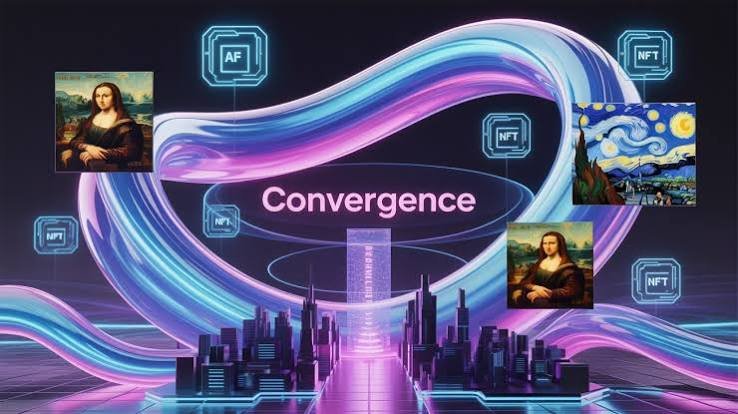
10 Powerful Reasons Digital Art Is a Creative Revolution in the Modern World
Digital art has transformed the way people create, share, and experience creativity. From colorful illustrations and realistic digital paintings to 3D designs, animations, and concept art, digital art has become an important part of modern visual culture. Artists no longer need a traditional canvas, brushes, or large collections of paint to bring their ideas to life. With a computer, tablet, or smartphone and the right software, almost anyone can explore their creativity.
What Is Digital Art?
Digital art is artwork created or significantly modified with digital technology. Instead of using traditional materials such as pencils, brushes, charcoal, or paint, digital artists use tools such as drawing tablets, styluses, computers, and creative software.
There are many forms of digital art. Some artists create digital paintings that closely resemble traditional watercolor or oil paintings. Others produce vector illustrations, photo manipulations, 3D models, animations, character designs, or abstract artwork. Because digital tools offer countless possibilities, artists can experiment with different styles without having to replace physical materials.
One of the most attractive features of digital art is flexibility. An artist can easily change colors, remove mistakes, resize an image, add new layers, or try several versions of the same idea. This makes the creative process faster and often more experimental.
The Growth of Digital Art
Digital art has developed rapidly alongside personal computers, graphics software, and mobile technology. In the early days, creating digital artwork could be difficult because computers had limited processing power and creative programs were not as advanced as they are today.
Modern technology has changed that experience. High-resolution displays, pressure-sensitive drawing tablets, powerful graphics applications, and mobile drawing apps allow artists to create highly detailed work. Social media and online communities have also made it easier for artists to show their work to audiences around the world.
Today, digital art can be found almost everywhere. It appears in video games, movies, advertisements, websites, books, social media content, product packaging, and educational materials. Businesses also use digital illustrations to build recognizable visual identities and communicate ideas to customers.
Popular Types of Digital Art
Digital art is a broad field with many different styles and techniques.
Digital painting is one of the most popular forms. Artists use virtual brushes, textures, colors, and layers to create artwork that can look similar to traditional paintings.
Vector art uses mathematical shapes and paths rather than pixels. It is especially useful for logos, icons, illustrations, and designs that need to remain sharp when resized.
3D digital art involves creating objects, characters, environments, and scenes in three dimensions. It is widely used in gaming, animation, architecture, product visualization, and entertainment.
Digital photography and photo manipulation combine photography with editing techniques. Artists can adjust colors, remove objects, combine multiple images, or create completely new visual compositions.
Pixel art is another distinctive style. It uses individual pixels to create images and is strongly associated with classic video games, although modern artists continue to use it for illustrations and creative projects.
Why Do People Choose Digital Art?
There are several reasons digital art has become so popular. Convenience is one of the biggest advantages. An artist can carry thousands of brushes, colors, textures, and projects on a single device.
Digital tools also make experimentation easier. Artists can duplicate layers, test different color combinations, undo mistakes, and save multiple versions without damaging the original work.
Another advantage is accessibility. Beginners can start with basic drawing applications and gradually learn more advanced techniques. Many educational resources, tutorials, and creative communities are available online, allowing people to learn at their own pace.
Digital artwork is also easy to distribute. Once a project is finished, it can be exported in different formats and shared through websites, portfolios, social platforms, or online marketplaces.
How to Start Creating Digital Art
Starting digital art does not necessarily require expensive equipment. A beginner can begin with a basic tablet or even a smartphone, depending on the type of artwork they want to create. The most important investment is often time spent practicing.
New artists should start with fundamental skills such as line control, shapes, color theory, light, shadow, perspective, and composition. Practicing simple objects can help develop confidence before moving on to complicated subjects.
It is also useful to study the work of experienced artists. Instead of simply copying their style, beginners can observe how professional artists use colors, lighting, proportions, textures, and composition. Regular practice can gradually improve both technical ability and artistic confidence.
Digital Art and Career Opportunities
Digital art has created career opportunities in many industries. Graphic designers create visual materials for businesses, while illustrators produce artwork for books, magazines, websites, and marketing campaigns. Concept artists help develop characters and environments for games and films.
Other opportunities include animation, user interface design, advertising, 3D modeling, social media content creation, and freelance illustration. Artists can also build online portfolios and connect directly with potential clients.
The demand for visual content continues to make creative skills valuable. However, professional success usually requires more than artistic ability. Communication, reliability, organization, marketing, and understanding client requirements are also important.
The Future of Digital Art
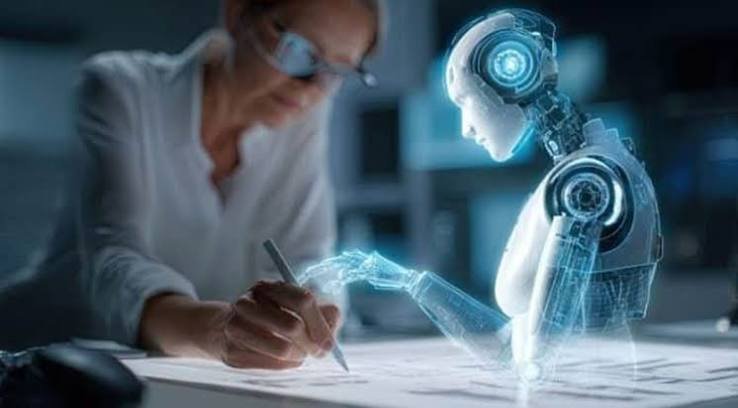
Technology will continue to influence digital art. Artificial intelligence, virtual reality, augmented reality, advanced 3D software, and increasingly powerful creative applications are changing the tools available to artists.
These technologies do not eliminate the importance of human creativity. Instead, they introduce new ways to experiment and communicate ideas. Artists who learn how to combine traditional artistic knowledge with modern technology may discover exciting creative possibilities.
At the same time, questions about originality, copyright, authorship, and the role of artificial intelligence are becoming increasingly important. The digital art community will likely continue discussing how technology should be used responsibly while protecting creative work.
Frequently Asked Questions
1. What is digital art?
Digital art is artwork created or edited using digital devices and software, such as computers, tablets, smartphones, and drawing applications.
2. Is digital art difficult for beginners?
No. Beginners can start with simple drawing tools and gradually learn advanced techniques through regular practice and tutorials.
3. What tools are used for digital art?
Common tools include drawing tablets, styluses, computers, smartphones, and digital art software. The right tools depend on the artist’s preferred style and budget.
4. Can digital art become a career?
Yes. Digital artists can work in graphic design, illustration, animation, gaming, advertising, 3D modeling, and other creative industries.
5. What are the benefits of digital art?
Digital art offers flexibility, easy editing, a wide range of creative tools, convenient storage, and the ability to share artwork online quickly.
Final Thoughts
Digital art is more than simply drawing on a computer. It is a flexible creative field that combines artistic imagination with modern technology. Whether someone wants to create illustrations as a hobby, develop professional skills, work in entertainment, or simply experiment with visual ideas, digital art offers countless possibilities.
The best way to improve is to start creating, practice regularly, learn from mistakes, and remain curious. Technology can provide powerful tools, but the artist’s ideas, creativity, observation, and personal style are what give digital artwork its character. As technology continues to evolve, digital art will remain an exciting and influential part of the creative world.

One Comment