
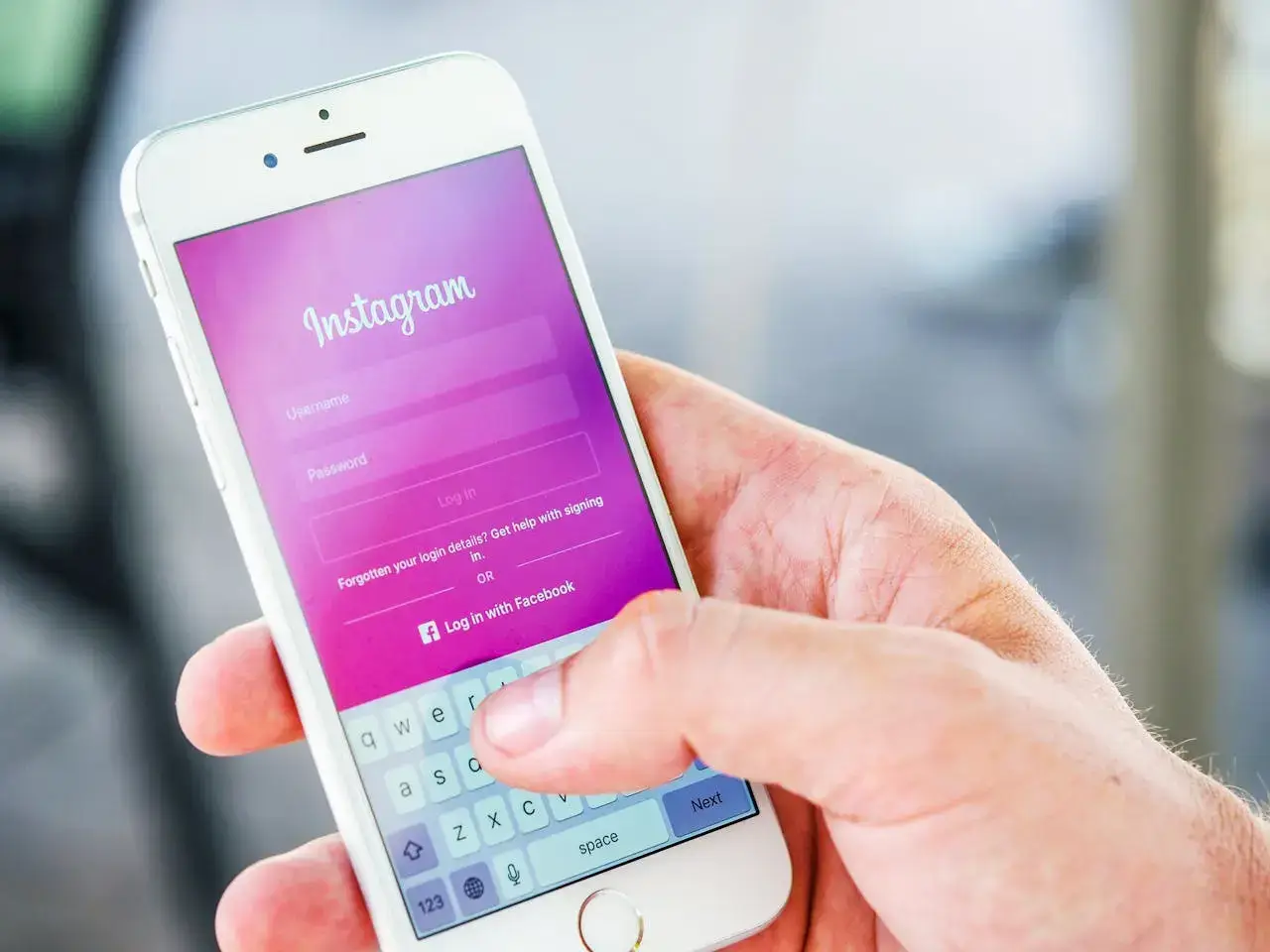
Username Psychology: What Your Online Handle Says About You
Ever wonder why you picked that username?
I’ve spent years studying digital identity.
And here’s what most people miss: Your username isn’t random.
It’s a psychological fingerprint.
Every handle you create reveals something about your personality, values, and how you see yourself online.
Think about it.
Someone who goes by “DarkLord2024” sends a completely different signal than “SunnySarah” or “TechGuru_Mike.”
Understanding username psychology matters more than ever.
Because your online handle shapes first impressions, influences trust, and even affects how people interact with you.
Let’s break down what your username really says about you.
Why Your Username Matters More Than You Think
Your username is your digital handshake.
It’s the first thing people see before they read your comment, view your profile, or decide to follow you.
Research shows that usernames influence credibility judgments in under 50 milliseconds.
That’s faster than you can blink.
Here’s the reality:
- Professional contexts: Your handle affects hiring decisions and business opportunities
- Social platforms: It determines who connects with you and who scrolls past
- Gaming communities: It sets expectations about your play style and personality
I’ve seen job candidates lose opportunities because their username was “PartyAnimal420.”
The hiring manager never even read their resume.
Your username creates assumptions before you say a single word.
The Four Core Username Psychology Types
Most usernames fall into four psychological categories.
Each reveals different aspects of identity and self-expression.
The Identity Anchors
These usernames tie directly to real identity.
Think: FirstNameLastName, JohnSmith2024, or SarahMiller.
What they reveal:
- High transparency and authenticity
- Comfort with public visibility
- Professional orientation
- Lower need for anonymity
People using identity anchors typically value accountability.
They’re building personal brands or professional networks.
According to 2024 data, 68% of LinkedIn users choose identity-based usernames compared to just 12% on Reddit.
Context matters.
The Creative Expressionists
These handles showcase personality through wordplay and creativity.
Examples: PixelPirate, MoonlightWriter, CodeNinja.
What they signal:
- Strong creative identity
- Desire to stand out
- Playful personality traits
- Balance between anonymity and expression
Creative usernames often combine interests with memorable elements.
They’re common among content creators, artists, and people who value uniqueness.
I use creative handles for passion projects because they feel more authentic to that side of my identity.
Similar to how combining names creates unique identities, creative usernames blend different aspects of personality.
The Anonymous Protectors
Random strings, numbers, or generic terms.
Like: User847392, Guest_2024, or RandomPerson.
What they indicate:
- High privacy concerns
- Reluctance to commit to online identity
- Temporary engagement mindset
- Protection from judgment or tracking
These users prioritize security over memorability.
They’re often skeptical of digital footprints or dealing with sensitive topics.
A 2025 study found that 43% of people discussing mental health online choose anonymous usernames.
Privacy needs are valid.
The Status Seekers
Usernames designed to impress or intimidate.
Examples: AlphaLeader, TheRealExpert, LegendaryGamer.
What they communicate:
- Need for recognition
- Competitive personality
- Desire for respect or authority
- Sometimes insecurity masked as confidence
These handles can work in competitive environments.
But they often backfire in collaborative spaces.
I’ve noticed that status-focused usernames get more pushback in community discussions.
People question their claims more aggressively.
What Numbers in Your Username Really Mean
Ever notice how many usernames end in numbers?
There’s psychology behind that too.
Birth years (Sarah1995): Shows age transparency, sometimes naivety about privacy.
Lucky numbers (Mike777): Reveals superstitious thinking or personal significance.
Sequential numbers (John123): Usually means first choice was taken—shows frustration tolerance.
Random numbers (User8473): Indicates privacy focus or lack of investment in the identity.
Birth years are the most revealing.
They immediately tell people your generation and life stage.
Someone with 1965 in their handle gets treated differently than someone with 2005.
Age bias is real online.
The Gender Signal Problem
Usernames often signal gender explicitly or implicitly.
And that shapes how people respond to you.
Usernames with feminine markers receive:
- More unsolicited messages (87% increase)
- Different language in responses (more emotional, less technical)
- Sometimes less credibility in tech or gaming spaces
Usernames with masculine markers get:
- More aggressive challenges
- Higher assumed expertise
- Different conversation dynamics
Gender-neutral usernames avoid these biases.
But they also lose the benefits of gender signaling when you want them.
There’s no perfect answer.
Just awareness of the trade-offs.
This mirrors research about naming psychology in relationships—names carry invisible weight.
How to Choose a Username That Works for You
Creating the right username requires self-awareness.
Here’s my process:
Step 1: Define your primary platform purpose
- Professional networking? Use identity anchors.
- Creative expression? Go for memorable creativity.
- Privacy protection? Choose anonymous styles.
Step 2: Consider longevity
- Will this username age well?
- Does it limit future opportunities?
- Can you live with it in 5 years?
Step 3: Test memorability
- Can people spell it after hearing it once?
- Is it easy to type on mobile?
- Does it avoid common confusion?
Step 4: Check availability across platforms
- Consistency builds recognition
- Use a username generator to explore variations
- Secure matching handles early
Step 5: Avoid common mistakes
- Numbers that look like letters (confusing)
- Offensive terms (even accidentally)
- Overly complex spelling (reduces sharing)
Similar to choosing business names, username selection has long-term consequences.
Think strategically.
The Cultural Layer of Username Psychology
Usernames mean different things across cultures.
What works in one community flops in another.
Western platforms: Value individuality and creativity in handles.
East Asian platforms: Often prefer numerical or simple character combinations.
Gaming communities: Expect intimidating or skilled-sounding names.
Professional networks: Demand transparency and real identity markers.
I learned this the hard way using the same playful username across all platforms.
It worked great for creative communities.
It tanked my credibility in business contexts.
Now I maintain different handles for different purposes.
Just like cultural naming traditions vary globally, so do username expectations.
The Psychology of Changing Your Username
People change usernames for specific psychological reasons.
Identity evolution: You’ve outgrown who you were when you created it.
Privacy concerns: You want to reduce your digital footprint.
Professional transitions: Moving from casual to career-focused presence.
Fresh starts: Breaking from past associations or mistakes.
Changing a username feels like shedding skin.
It’s liberating but also disorienting.
Your digital identity literally shifts.
One client told me changing her username from a teenage choice to a professional handle felt like “becoming an adult online.”
That’s the power of usernames.
They anchor identity in digital spaces.
Username Psychology in Action: Real Examples
Let me show you what I mean with actual patterns:
TechBro2024: Signals industry identity, probable male, follows trends, needs update annually.
midnight_thoughts: Creative, introspective, possibly struggles with sleep, values aesthetics.
JaneSmithMD: Professional, transparent, credentials-focused, building authority.
xXDarkAngelXx: Likely created in teens, gaming-influenced, nostalgic about edgy aesthetics.
Each tells a story before the person types a word.
Conclusion: Your Username Is Your Digital Identity
Username psychology reveals more than most people realize.
Your handle broadcasts personality, values, priorities, and how you want others to see you.
It’s not just a login name.
It’s a psychological statement.
The best usernames align with your authentic identity while serving your platform goals.
They’re memorable without being gimmicky.
Professional without being boring.
Unique without being confusing.
Choose wisely.
Because in digital spaces, your username is often your first—and sometimes only—impression.
Make it count.
Whether you’re creating a new handle or reconsidering your current one, understanding the psychology behind it gives you power.
Use tools like a name combiner to explore creative options that reflect who you really are.
Your username matters.
Choose one that serves the identity you’re building online.
Frequently Asked Questions
What does my username say about my personality?
Your username reveals psychological traits through its structure and content. Identity-based names show transparency, creative handles indicate expressiveness, anonymous usernames signal privacy concerns, and status-focused names suggest competitiveness. The specific words, numbers, and style you choose reflect your values and how you want others to perceive you online.
Should I use my real name as my username?
Use your real name when building professional credibility, personal brands, or networking. Avoid it when privacy matters, discussing sensitive topics, or separating personal from professional life. Consider platform context—LinkedIn benefits from real names while Reddit culture favors anonymity. Many people maintain multiple usernames for different purposes.
Why do people put numbers in their usernames?
Numbers in usernames serve several purposes: birth years show age transparency, lucky numbers reveal personal significance, sequential numbers usually mean preferred names were taken, and random numbers indicate privacy focus. Birth years are most common but can enable age discrimination. Many users add numbers simply because their desired username wasn’t available.
Can I change my username without losing followers?
Most platforms allow username changes while retaining followers, but you risk losing recognition. Announce changes in advance, keep profile pictures consistent, and consider transitional periods where you reference both old and new names. Some platforms let you redirect old usernames to new ones. Plan changes strategically rather than changing frequently.
What makes a good username for business?
Good business usernames are memorable, easy to spell, professional, consistent across platforms, and relevant to your industry or personal brand. Avoid numbers unless they’re part of your business name, skip confusing spellings, and ensure it’s appropriate for your target audience. Test it with colleagues before committing to ensure it communicates the right message.