
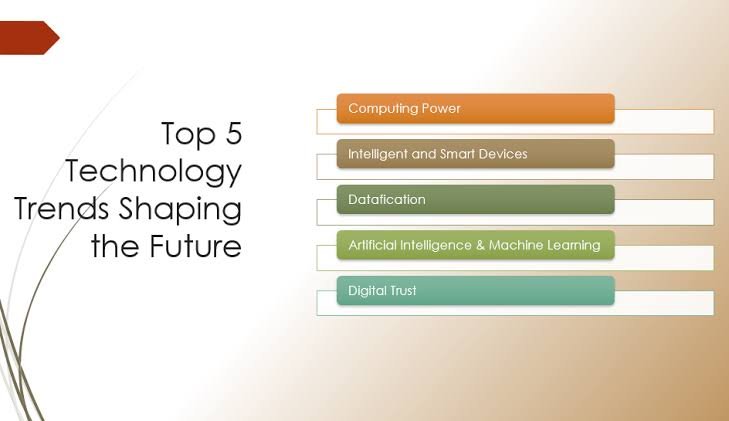
7 Powerful Tech Trends Shaping Our Future: The Ultimate Guide to Tomorrow’s Technology
Technology is changing faster than ever. From artificial intelligence to smart devices, cloud computing, cybersecurity, and automation, new innovations are influencing the way people work, communicate, shop, learn, and live. These developments are not limited to large technology companies. They are becoming part of everyday life for individuals, small businesses, schools, healthcare organizations, and governments.
Understanding Tech Trends is important because technology can create new opportunities while also changing old habits and industries. Some innovations may seem futuristic today, but many are already becoming practical tools. In this article, we explore some of the most important technology trends and how they may shape the future.
1. Artificial Intelligence Is Becoming Mainstream
Artificial intelligence, commonly known as AI, is one of the most important technology trends today. AI systems can analyze information, understand language, recognize patterns, generate content, and assist people with many different tasks.
Businesses are using AI for customer service, data analysis, marketing, software development, and productivity. Individuals are also using AI tools to write, research, organize information, learn new skills, and solve everyday problems.
The next stage of AI is likely to focus on making these systems more useful and easier to integrate into normal workflows. Instead of being separate tools, AI assistants may increasingly become part of the software people already use.
2. The Growth of Smart and Connected Devices
Smart technology is another major part of modern digital life. Smartphones, smart watches, connected home appliances, security cameras, vehicles, and other devices can communicate through the internet.
This trend is often called the Internet of Things, or IoT. Connected devices can collect information and respond to user preferences. For example, a smart thermostat can adjust temperature settings, while wearable devices can provide information about activity and daily routines.
As connectivity improves, more everyday objects are expected to become intelligent and connected. This could make homes, workplaces, transportation systems, and public services more efficient.
3. Cloud Computing Continues to Expand
Cloud computing has transformed how people and organizations store data and use software. Instead of relying entirely on physical computers or local servers, users can access applications and information through internet-based services.
Cloud technology allows businesses to scale their operations more easily. It can also support remote work, online collaboration, data backup, and software development.
The future of cloud computing will likely involve greater automation, stronger security, and more flexible services. Companies will continue looking for ways to manage large amounts of information while controlling costs and protecting sensitive data.
4. Cybersecurity Is More Important Than Ever
As technology becomes more connected, cybersecurity becomes increasingly important. Businesses and individuals face risks such as phishing, data theft, account attacks, and other forms of digital crime.
Modern cybersecurity is moving beyond traditional passwords and basic antivirus software. Organizations are adopting stronger authentication methods, encryption, automated monitoring, and security systems designed to identify unusual activity.
Cybersecurity is not only a concern for large corporations. Anyone who uses online banking, social media, email, cloud storage, or online shopping should pay attention to digital security. Simple habits such as using strong passwords, enabling multi-factor authentication, and keeping software updated can make a significant difference.
5. Automation Is Changing the Workplace
Automation is becoming increasingly common in manufacturing, logistics, customer service, finance, and many other industries. Software and machines can now handle repetitive tasks that once required significant human effort.
Automation does not necessarily mean that every job will disappear. In many situations, technology changes the responsibilities associated with a job rather than eliminating the role completely. Workers may spend less time on repetitive activities and more time on decision-making, creativity, communication, and problem-solving.
This makes continuous learning increasingly valuable. People who develop digital skills and learn how to work alongside new technologies may have more opportunities in the changing job market.
6. Green Technology Is Gaining Attention
Technology is also playing an important role in efforts to reduce environmental impact. Renewable energy systems, electric vehicles, energy-efficient devices, smart power grids, and improved battery technology are receiving significant attention.
Green technology aims to make energy production and consumption more efficient while supporting a more sustainable future. Improvements in batteries, for example, can benefit electric transportation as well as energy storage.
As environmental concerns continue to influence businesses and consumers, technology that saves energy, reduces waste, and improves resource management may become increasingly important.
7. The Future of Digital Experiences
Another emerging trend is the development of immersive digital experiences. Virtual reality, augmented reality, and mixed-reality technologies can combine digital information with physical environments or create completely virtual spaces.
These technologies have potential applications in education, gaming, training, design, entertainment, retail, and professional collaboration. Although widespread adoption may take time, improvements in hardware and software are making digital experiences more realistic and accessible.
The long-term impact of these technologies will depend not only on technical improvements but also on affordability, convenience, privacy, and how useful they are in everyday situations.
What Do These Tech Trends Mean for the Future?
The most important lesson from current technology trends is that change is continuous. New tools can improve productivity, create businesses, simplify communication, and provide solutions to complex problems. At the same time, they can introduce challenges involving privacy, security, employment, digital access, and responsible use.
People do not need to become technology experts to keep up. However, staying curious and learning basic digital skills can make it easier to adapt. Businesses can benefit from evaluating new technologies carefully instead of adopting every trend simply because it is popular.
Frequently Asked Questions About Tech Trends
1. What are tech trends?
Tech trends are new or rapidly developing technologies that are changing how people live, work, communicate, and do business. Examples include artificial intelligence, cloud computing, automation, cybersecurity, smart devices, and green technology.
2. Why are tech trends important?
Tech trends are important because they can improve productivity, create new opportunities, simplify everyday tasks, and transform different industries. Understanding these trends can also help individuals and businesses prepare for future changes.
3. What is the biggest technology trend today?
Artificial intelligence is one of the most influential technology trends today. AI is being used for content creation, data analysis, customer support, software development, education, and many other applications.
4. How is AI changing the workplace?
AI can automate repetitive tasks, analyze large amounts of information, and assist employees with everyday work. Rather than replacing every job, AI is also changing job responsibilities and increasing the value of skills such as creativity, critical thinking, and problem-solving.
5. What is the Internet of Things?
The Internet of Things, or IoT, refers to connected physical devices that can collect, exchange, or process data through networks. Smart watches, connected appliances, security systems, and smart home devices are common examples.
6. Why is cybersecurity a major tech trend?
As more personal and business information moves online, protecting digital accounts and data becomes increasingly important. Cybersecurity technologies help defend against threats such as unauthorized access, phishing, malware, and data theft.
7. How can businesses benefit from new technology trends?
Businesses can use emerging technologies to automate routine processes, improve customer experiences, analyze data, reduce costs, and develop new products or services. The right technology can also help companies remain competitive in a changing market.
8. What technology trends should people watch in the future?
People should watch developments in artificial intelligence, automation, cybersecurity, cloud computing, connected devices, renewable energy technology, electric transportation, and immersive digital experiences. These areas are likely to continue influencing everyday life and business.
Conclusion
The world of technology is developing at remarkable speed. Tech Trends such as artificial intelligence, connected devices, cloud computing, cybersecurity, automation, green technology, and immersive digital experiences are already influencing modern society.
The future will likely bring even more powerful innovations, but technology itself is only part of the story. How people use these tools will determine their real impact. By staying informed, protecting digital information, developing new skills, and approaching innovation responsibly, individuals and businesses can make better use of the opportunities created by the next generation of technology.

One Comment